Last year my department got a letter from Chesterhill Charitable Trust Limited offering a free 2 day tour of Krakow and the Auschwitz camps in March 2018, including hotel, travel and food for 5 students, with an accompanying teacher. Who could say no to such an opportunity – certainly not us! So we packed our bags and off we went… (well that is once SLT authorised, risk assessments completed, letters home, payments received for travel expenses to Heathrow airport, passports checked, endless train deals searched, mini bus and driver arranged, cover work set – you get the idea!)
We were greeted at Heathrow airport by Chuni Kahan (@Kahan_Travel), a man who has dedicated his life to arranging these visits for police workers, ambulance drivers, emergency service workers, students and others, in order to keep the history of the Holocaust alive, current and real to the next generation. Through the support of educational trusts and charities, Chuni has organised trips for over 15 years and we were very fortunate to now be part of this legacy of learning. Chuni was immediately welcoming, clearly very organised with group lanyards, fresh bagels and booklets of information on hand. We were set for our tour.
We arrived in Krakow and after a guided tour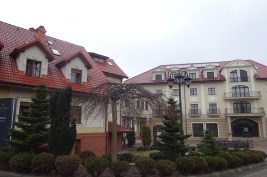 of the historical features of the main town, a filling tea of homemade hummus, soup, marinated chicken and salad, we headed to our Spa and Wellbeing hotel that looked like something out of an Austrian Ski resort. After an early start, filled with a hot Kosher breakfast including crepes, coffee and fresh bread, we made our way to Auschwitz One.
As we approached the first camp the familiar feelings of dread started and upon seeing the brick buildings, barbed wire and overgrown railway line along the main road, I knew we had arrived (I visited the camps through the Holocaust Educational Trust about 7 years ago.) I didn’t know what was worse – knowing what we were about to experience or not knowing, as the case was for my students, the horrors that awaited them inside. Once you have seen the hair, the suitcases, the inside of a gas chamber, such memories are etched forever into your mind. A little bit of innocence is left behind.
We were kitted out with our tour headphones and made our way to the famous sign. Over the next two hours we went in and out of the brick buildings (originally built for prisoners of war), heard how the holocaust started and developed, the stories of the souls that perished and saw their lives captured in their belongings.
Once back on the coach, with our pre packed lunches that were provided, we made our way to Auschwitz Birkenau. We re-joined our guide and made our way through the sleeping barracks, along the railway lines, past the endless knocked down buildings and piles of rubble that were once the gas chambers.
Through the birch trees along the back of the camp (Auschwitz Birkenau means ‘Auschwitz of the Birch trees’) we visited the ponds were the burnt ashes of thousands of lives were scattered.
We ended the day with a touching prayer given by Chuni Kahan and then a slow, thoughtful walk back to the coach, each of us lost in our own thoughts from the day.
Thank you to Chesterhill Charitable Trust Limited and Chuni Kahan at Kahan Travel for without them I would not have been able to share this experience with my students.
“This was by far the most intense experience of my life which deeply moved and affected me.”
(From one of my students)
For more Holocaust related posts check out Leaving a Lasting Impression: Personalised Holocaust Memorials, It is all about the number: Teaching about the Holocaust and Holocaust Memorial Museum UK.


 quick fix or easy answer. Revision is hard work and takes a long time. I often describe revising like going to the gym (it’s about as fun!!), you need to go to the gym consistently, regularly and with a healthy approach, in order to change your physical fitness. This is exactly the same for your brain, you need to revise regularly and consistently and follow a healthy approach – regular breaks, plenty of sleep, no distractions etc.


